Corrosion Testing
Precision in Testing, Excellence in Engineering
Corrosion Testing
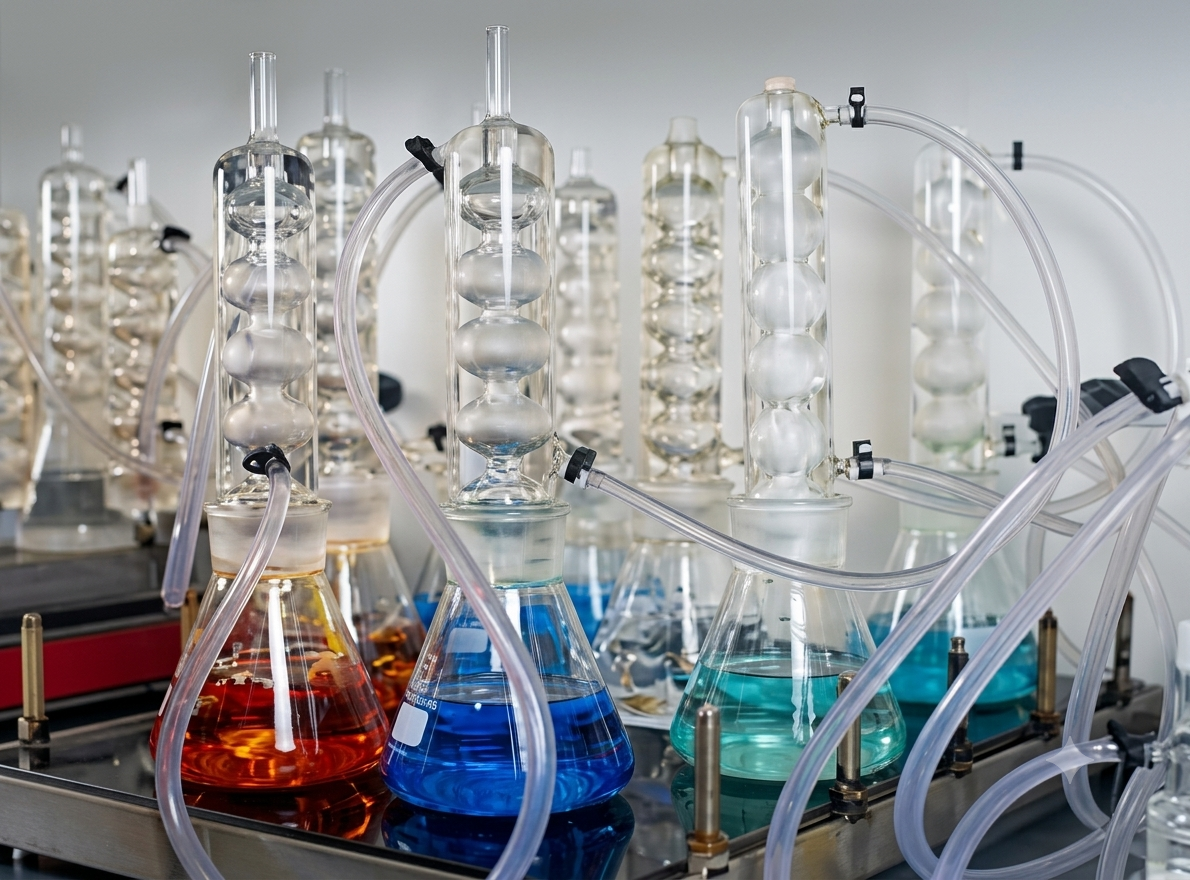
Austenitic Stainless steel -IGC ,Practice A,B, C And E
Corrosion as we all know is an electrochemical reaction between material and environment which deteriorates the quality of the article and its life. The degree of severity of corrosion depends upon various factors out of which environmental parameters are the most common, such as temperature, humidity, chemical composition, etc.
Corrosion can be prevented by various techniques which include corrosion testing methods. These method aims at checking the ability of the material to withstand the artificially induced corrosive environment without disintegration. The results from corrosion testing can be used for Failure Analysis of several commercially important engineering materials.
Need Help?
+91 9822522259
sales@svtechengineering.com
Other Services
- Third Party Inspection
- Welding Consultancy
- NDT Training Institute
- Calibration Services
Our Services Include
- Corrosion Testing
- Salt Spray (Fog) Testing
- Coating Performance Evaluation
- Protective Coating Assessment
- Galvanized Material Testing
- Paint and Surface Treatment Evaluation
- Failure Analysis Support
- Material Durability Assessment
Salt Spray Testing
Salt Spray Testing, also known as Salt Fog Testing, is an accelerated corrosion test used to evaluate the corrosion resistance of metals, coatings, plating, paints, and surface finishes. Test specimens are exposed to a controlled salt-laden environment to simulate harsh service conditions and predict long-term performance.
Applications
- Metal Components
- Structural Steel
- Fasteners and Bolts
- Automotive Parts
- Galvanized Products
- Coated and Painted Surfaces
- Marine Equipment
- Industrial Machinery
- Pipelines and Process Equipment
Benefits
- Evaluates corrosion resistance of materials and coatings
- Detects coating defects and weaknesses
- Supports product quality improvement
- Helps in material selection and validation
- Accelerates durability assessment
- Ensures compliance with international standards
- Reduces maintenance and replacement costs