
Bend Testing
Precision in Testing, Excellence in Engineering
Bend Testing
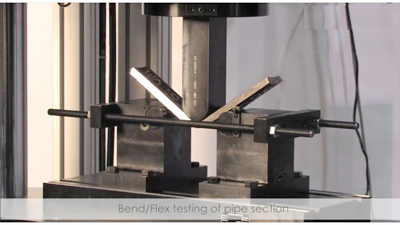
Bend Test on : Plates, Pipes, Bars
Bend test is mainly done to check ductility of the material and the resistance of the metals to cracking during distortion. From the test maximum bending strength can be determined and the presence of the cracks can easily be revealed. In this test, specimen is subjected to progressive localized overstressing. The test is very simple and requires less time. Conditions for the bend test vary according to various material specifications. Standard sized mandrels are available to bend the specimen to the required angle. The angle which is specified is the internal angle of bend.
Need Help?
+91 9822522259
sales@svtechengineering.com
Other Services
- Third Party Inspection
- Welding Consultancy
- NDT Training Institute
- Calibration Services
After bending, the convex surface of the bend is examined for evidence of a crack or surface irregularity. If the specimen fractures, the material has failed the test. When complete fracture does not occur, the criterion for failure is the number and size of cracks or other surface irregularity visible to the unaided eye occurring on the convex surface of the specimen after bending, as specified by the product standard. Any cracks within one thickness of the edge of the specimen are not considered a bend test failure. Cracks occurring in the corners of the bent portion shall not be considered significant unless they exceed the size specified for corner cracks in the product standard.
More about service
Leverage the information box style to display your information in the accordion style.